A home’s exterior is much more than a cosmetic shell designed to impress the neighbors. It functions as a complex, highly engineered protective envelope. This outer barrier shields your family, your furniture, and the hidden structural framing of your house from relentless environmental forces. Wind, rain, shifting temperatures, and UV radiation constantly test the integrity of your property’s outer layers.
Unfortunately, many homeowners treat exterior maintenance as a reactive chore, waiting until a major failure occurs before taking action. Over time, minor weather damage, slow moisture leaks, and aging materials quietly compound into massive, expensive structural problems. By the time a stain appears on your living room ceiling or a floorboard starts to sag, the underlying damage has likely been festering for months or even years.
Taking a proactive approach to your home’s exterior prevents these costly surprises. Undertaking a complete exterior upgrade eliminates ongoing maintenance headaches, safeguards your hard-earned equity, and slashes monthly utility bills. This comprehensive guide walks you through the clear, unmistakable indicators that your property is ready for a complete exterior transformation.
Spotting Wall Degradation Before it Rots Your Subframe
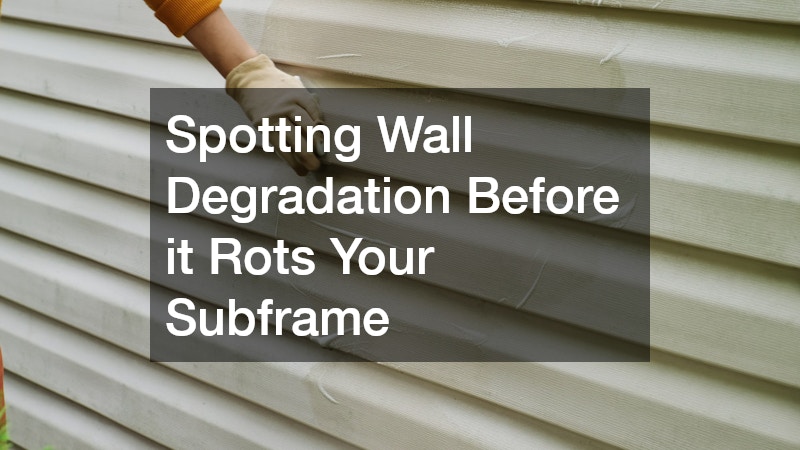
Your home’s wall cladding is its primary defense against moisture, but it does not last forever. When siding begins to fail, it allows water to seep into the structural wood framing underneath. Once moisture enters the wall cavities, it becomes trapped, creating a perfect breeding ground for hidden wood rot and hazardous mold. This degrades the structural integrity of your home and ruins the efficiency of your insulation, leading to drafty rooms and soaring energy costs.
To catch these issues before they turn into structural nightmares, you need to perform regular, detailed inspections. Walk around your property and execute these actionable diagnostic steps:
- The Screwdriver Poke Test: Examine the very bottom edge of your siding panels, particularly where the cladding meets the concrete foundation or around low window sills. Take a flathead screwdriver and gently press it against the wood trim or substrate. If the material feels soft, spongy, or crumbles under light pressure, deep rot has already set in.
- Check for Warping and Buckling: Look down the length of your exterior walls from a side angle. Panels should be perfectly flat and uniform. If you notice waves, bulges, or warped sections, water has likely worked its way behind the facade, causing the underlying wood sheathing to swell and push the cladding outward.
- Look for Advanced Color Fading and Peeling: While a little paint fading is normal over a decade, severe, uneven bleaching indicates that the material’s protective UV topcoat has completely broken down. For vinyl or fiber cement materials, run your hand across the surface; if a white, chalky residue rubs off onto your fingers, the material is actively degrading.
If you notice widespread warping or advanced color fading, it is wise to consult a certified siding contractor to analyze the underlying vapor barrier. Simply patching a small area often masks systemic failures occurring deep within the wall cavity. Investing in comprehensive, modern siding services does more than boost curb appeal; it seals out moisture and eliminates draft zones permanently, ensuring your home remains energy-efficient and structurally sound for decades to come.
In addition to addressing immediate issues, a professional siding contractor can recommend materials that are better suited to your local climate, enhancing the durability of your home. Regular maintenance and timely upgrades can also prevent costly repairs down the line. By prioritizing high-quality siding solutions, you not only protect your investment but also increase the overall value of your property. Taking these steps will contribute to a safer, more comfortable living environment for you and your family.
Evaluating Shingle and Underlayment Lifespans Post-Storm
Just like your walls, your roof operates under constant environmental duress. However, because it is difficult to see without climbing a ladder, it is often completely ignored until water actively drips into the living space. Homeowners must learn to differentiate between minor surface wear and serious structural failures that threaten the entire attic infrastructure.
Severe storms speed up the aging process of a roof. High winds lift older shingles, while heavy hail bruises the protective asphalt matting. To determine if your roof is still doing its job, conduct a thorough ground-level audit using a pair of high-powered binoculars, looking closely for these key indicators:
- Shingle Deformities: Scan the roof slopes for shingles that are cupping, where the edges curl upward, or clawing, where the center bubbles up while the edges stay flat. Both conditions mean the asphalt has dried out, become brittle, and can no longer shed water properly.
- Gutter Granule Accumulation: Climb up safely and peer into your gutter troughs, or check the splash pads directly beneath your downspouts. If you find thick piles of black, sand-like granules, your shingles are shedding their protective coating. Without these granules, raw asphalt is exposed to direct sunlight, causing it to crack and melt rapidly.
- Exposed or Rusted Flashing: Pay close attention to the valleys, metal steps around chimneys, and vents. If the metal flashing is rusted, loose, or lifted, water will easily glide right beneath the shingles during the next heavy downpour.
While minor leak points around chimney flashing can often be resolved with local roof repairs, older surfaces may require a broader solution. When a roof surpasses the twenty-year mark or suffers systemic hail bruising, full roof replacements become the only way to protect your interior investment. Replacing the roof completely ensures you get a modern, multi-layered water protection system that keeps your home bone-dry.
Choosing the Right Production Partners for Scale Renovations

Managing a large-scale exterior remodel involves a lot of moving parts. It is vastly different from a simple bathroom paint job or a quick carpet replacement. A full exterior renovation requires real engineering oversight, careful scheduling, and a deep understanding of local building codes. One of the biggest mistakes homeowners make is choosing a contractor based solely on the lowest cosmetic bid, rather than selecting partners with the right licenses, insurance, and experience.
To ensure your large project runs smoothly and your investment is fully protected, use these practical vetting and management strategies:
- Verify Credentials Thoroughly: Always ask to see proof of commercial liability insurance, workers’ compensation policies, and local municipal structural bonding. A cheap contractor who lacks workers’ comp leaves you financially responsible if a worker is injured on your property.
- Structure Clear Financial Milestones: Never pay the full cost of a project upfront. A standard, reputable payment structure involves an initial deposit of ten to fifteen percent to secure the start date, followed by progress payments tied directly to verified construction milestones. Always hold back a final retention fee of ten percent until all work is completed and passes municipal inspection.
- Understand the Crew Setup: Ask the company who will actually be on-site doing the heavy lifting. Will they use their own trained, long-term employees, or will they subcontract the entire project out to unverified third-party crews? Knowing who is managing daily safety and quality control on your property is paramount.
The most reputable home construction businesses provide transparent, itemized material lists rather than vague, lump-sum estimates. This transparency prevents hidden fees from popping up mid-project. Furthermore, established home building contractors maintain strong relationships with local code inspectors, ensuring your structural upgrades pass regional safety compliance smoothly and legally.
Upgrading Secondary Structures to Maximize Footprint Utility
When planning exterior improvements, homeowners frequently focus exclusively on the main residence while completely ignoring detached structures. Outbuildings, workshops, and carports often rot faster than the main house because they suffer from deferred maintenance. However, an old, dilapidated outbuilding drags down your total property value, creates an eyesore, and represents a massive wasted opportunity for functional square footage.
Modernizing these spaces allows you to create high-utility areas, such as home offices, gym spaces, or advanced workshops. Look over your secondary structures using these engineering and design checkpoints:
- Evaluate Concrete Foundation Health: Inspect the concrete slab or foundation walls of your outbuilding. Look closely at any visible cracks. Hairline shrinkage cracks are normal as concrete cures over time, but wide cracks that show vertical displacement mean the slab is shifting due to poor drainage or frost-heaving, requiring stabilization before any other work begins.
- Audit the Electrical Capacity: Older outbuildings often rely on a single, dangerous extension cord run from the main house or a tiny fifteen-amp circuit. To support a modern workshop, power tools, heavy machinery, or an electric vehicle fast-charging station, you need to plan for a dedicated electrical sub-panel with at least one hundred amps of capacity.
- Ensure Architectural Unity: A secondary structure should never look like an afterthought. When upgrading its exterior, match the roofing material, paint colors, and trim styles with the main house to create a cohesive, high-end compound aesthetic.
Building a highly functional, insulated custom garage adds massive storage versatility while dramatically raising your total appraisal value. By utilizing professional detached garage services, you ensure that structural framing, zoning setbacks, and rooflines align perfectly with your property’s master plan, turning a neglected space into a premier feature of your estate.
Planning for Long-Term Structural Longevity and Energy Gains
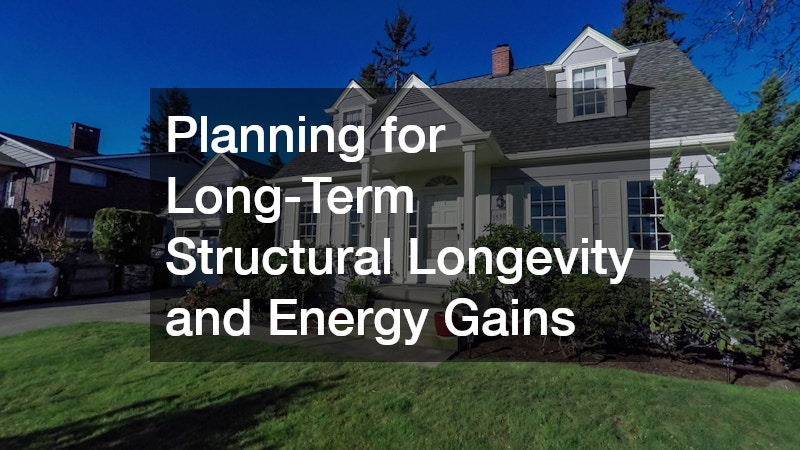
True property efficiency is achieved by focusing on how different exterior systems work together. Your roof, siding, insulation, and windows must form a unified barrier to stop thermal bridging, which occurs when heat bypasses insulation through structural wood studs. Future-proofing your building envelope against extreme weather and rising utility rates requires choosing materials based on their long-term performance and regional climate ratings.
To maximize your long-term energy savings and protect your structural investments, focus on these advanced home asset management practices:
- Integrate Continuous Exterior Insulation: When stripping away old cladding, don’t just slap new siding over raw wood. Have your installation team add a continuous layer of rigid foam insulation board before putting up the final siding. This breaks the thermal bridge, wrapping your home in a protective thermal blanket.
- Analyze Wind and Weather Ratings: Do not buy materials based on appearance alone. Look up the specific wind-resistance ratings of your shingles and siding panels. If you live in an area prone to severe storms or hail, insist on impact-resistant products that carry a high classification rating.
- Establish a Proactive Maintenance Schedule: Even the finest exterior products fail if they are completely neglected. Set a recurring calendar reminder to walk your property every spring and fall to clear debris from gutters, check caulking joints around windows, and make sure soil lines haven’t risen too high against your siding.
Partnering with an experienced local roofing contractor ensures that your building envelope is customized for the exact wind and snow loads of your specific microclimate. By adopting the advanced material techniques utilized by elite home builders, you can transform an aging property into a highly efficient, storm-resistant asset that keeps your family safe and warm for generations.
Additionally, investing in quality roofing solutions can enhance the aesthetic appeal of your home, increasing its overall value. With the right contractor, you can also benefit from expert advice on energy-efficient upgrades that reduce utility costs and improve sustainability. Prioritizing these improvements not only protects your property but also contributes to a safer and more comfortable living environment.
Conclusion
Upgrading your home’s exterior should never be viewed as a stressful financial burden. Instead, look at it as a smart, proactive investment in your property’s future. By learning to identify the early warning signs of exterior material failure, you can step in and fix small issues before they snowball into incredibly expensive structural restorations.
Addressing your roof, siding, and secondary structures together allows you to build a tight, highly efficient outer shell. This complete transformation eliminates draft zones, stops moisture damage in its tracks, and cuts down on your monthly energy spending. It turns a home that feels drafty and high-maintenance into a comfortable, secure haven.
Take a walk outside your home this weekend with a notebook in hand. Look closely at your siding lines, check your gutters for granules, and examine the condition of your outbuildings. Identifying these problem areas early gives you the time and confidence to research your options, interview qualified professionals, and design a beautiful, long-lasting master plan for your property.