
There is a distinct magic in owning a historic or classic home. From original oak flooring and hand-carved mantels to thick plaster walls and intricate exterior trim, older architecture possesses character that modern suburban subdivisions simply cannot replicate. However, winter in a classic home often brings an unpleasant reality. You might find yourself constantly adjusting the thermostat, wearing three layers of wool, or placing rolled towels along windowsills to block relentless cold breezes. Drafts are more than just a temporary inconvenience; they represent a fundamental breach in your building’s thermal envelope. When cold outdoor air enters, warm indoor air escapes, forcing your mechanical equipment to run continuously while driving your monthly utility bills into frustrating territory.
The root cause of this persistent chill lies in how older structures were constructed. Unlike contemporary houses built around airtight envelopes with modern vapor barriers, older homes were designed to let air pass through the structural assemblies. While this natural ventilation helped prevent wood rot in traditional building materials, it creates significant comfort problems once modern central heating is applied. Restoring warmth to a historic or vintage house requires a clear strategy that respects original craftsmanship without sacrificing energy performance. You do not have to accept drafty winters or compromise your property’s architectural integrity to enjoy consistent, modern climate control.
Achieving a comfortable, energy-efficient home requires a balanced two-pronged strategy. First, you must address the structural envelope by stopping air infiltration at the exterior shell, attic floor, and foundation levels. Second, you must evaluate, optimize, or modernize your mechanical climate systems to ensure warm air is generated and distributed efficiently to every room. By tackling structural air leaks before upgrading equipment, you prevent expensive new mechanical hardware from operating inefficiently in a leaky building. This guide outlines actionable steps to identify hidden drafts, seal structural gaps, and choose smart heating upgrades that deliver lasting comfort year-round.
Seal the Exterior Envelope Before Touching the Inside
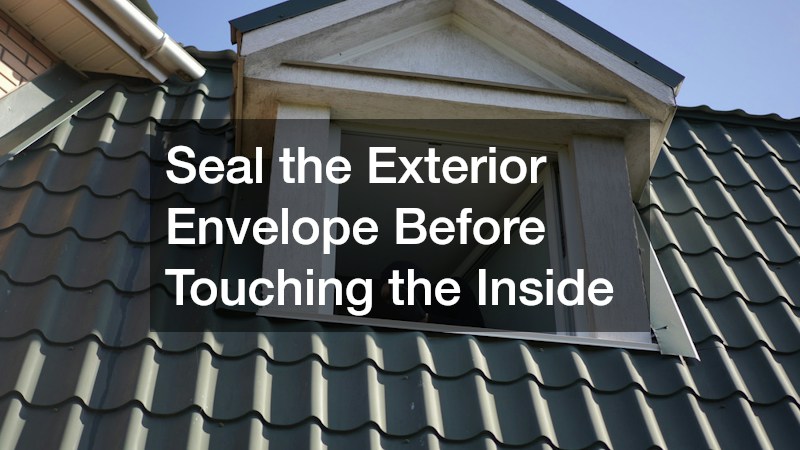
Before investing in any internal heating or cooling upgrades, you must first secure the outer shell of your property. Older homes built with brick, stone, or heavy timber framing often develop micro-gaps over decades of settling and weather exposure. Wind driven against exterior walls penetrates these subtle openings, traveling through wall cavities and emerging around baseboards, electrical outlets, and floorboards. Inspecting mortar joints along the exterior structure, particularly near ground level and around historic chimneys, is a critical initial step. When repointing or repairing deteriorated mortar on classic structures, using historical lime-based mortars rather than harsh modern Portland cement is vital to preserve vintage brick, which is why hiring specialized masonry businesses is essential for these restoration projects.
Once the exterior walls and cladding are stabilized, turn your focus toward the interior boundaries of the building shell. The rim joists in your basement or crawlspace, along with the attic floor, represent the primary entry and exit points for thermal drafts due to the stack effect. As heated air rises and escapes through upper-level roof vents, it draws cold outdoor air inward through lower-level gaps. Sealing basement rim joists and attic floor cavities stops this continuous airflow loop at its source. For deep rim joists and irregular joist bays, applying targeted spray foam insulation creates a custom, airtight thermal seal that eliminates low-level drafts without requiring destructive wall teardowns.
To systematically secure your building’s exterior envelope, focus on these critical target areas:
- Foundation and Mortar Lines: Inspect exterior masonry for crumbling mortar, missing tuckpointing, or hairline structural cracks that allow cold ground winds to seep into low-level framing assemblies.
- Window and Door Casing Seals: Apply high-quality exterior-grade sealant around wooden frames where window casings meet exterior brick, stone, or wood siding.
- Rim Joist Perimeter Bays: Seal the critical boundary where your home’s wooden framing rests on the concrete or stone foundation using impermeable thermal barriers.
- Attic Floor Penetrations: Seal wire openings, ceiling light fixture boxes, and plumbing stacks on the attic floor before adding blow-in insulation layers.
- Chimney Flues and Chase Enclosures: Install top-sealing fireplace dampers to prevent warm air from continuously drafting up unused chimney flues during cold weather.
Identify Hidden Air Leaks with Professional Diagnostics
Attempting to eliminate drafts without proper diagnostic tools often leads to wasted effort on visible, minor gaps while massive invisible leaks remain unchecked. Drafts in older structures rarely follow straight paths; cold air often enters through an exterior soffit, travels down an uninsulated wall cavity, and exits into a hallway through a baseboard ten feet away. Professional energy diagnostics remove the guesswork from winter weatherization. Conducting a comprehensive energy audit, which includes a depressurization test and thermal imagery scanning, gives you a clear visual map of cold air infiltration points across your entire floor plan. Contacting an established local insulation company allows you to receive a precise diagnostic audit tailored to the specific historic construction styles prevailing in your regional area.
With diagnostic data in hand, you can prioritize air-sealing projects based on measurable return on investment rather than trial and error. The findings from a blower door test usually reveal that the biggest culprits are not aging glass window panes, but rather uninsulated attic hatches, drafty knee walls, and open vertical chases characteristic of vintage balloon framing. Remediating these complex architectural pathways requires specialized techniques that preserve original plaster surfaces while stopping vertical air movement. Partnering with a certified insulation contractor guarantees that high-performance air sealing is executed safely, respecting historic plaster, balloon framing fire stops, and attic ventilation balances.
A professional energy diagnostic evaluation typically includes several core testing procedures:
- Blower Door Depressurization: A high-powered fan mounted in an exterior doorway depressurizes the interior, pulling outdoor air through hidden structural cracks to quantify overall building air leakage.
- Infrared Thermography Scanning: Thermal imaging cameras detect subtle surface temperature differences, pinpointing exact cold air draft paths hidden behind finished interior walls and ceilings.
- Duct Leakage Pressure Testing: Specialized pressure testing measures how much conditioned air escapes from hidden ductwork running through unconditioned basements, attics, or crawlspaces.
- Combustion Safety Diagnostics: Diagnostics confirm that fuel-burning appliances draft exhaust fumes safely outdoors even after the building envelope is significantly tightened.
- Zoned Pressure Testing: Specialized differential pressure readings determine whether interior partition walls or floor cavities act as unintended conduits for outdoor air.
Address and Optimize Legacy Heating Infrastructure

A tightly sealed building envelope only delivers true thermal comfort if your heating system operates at peak mechanical efficiency. Older homes frequently rely on hydronic heating systems feeding classic cast-iron radiators or baseboards. While hydronic heat provides comfortable, radiant warmth, aging systems often suffer from poor water circulation, trapped air pockets, or failing pressure relief valves. When radiators feel warm at the bottom but cold at the top, or make loud metallic knocking noises during startup, heat delivery becomes uneven across rooms. Scheduling timely boiler repair restores proper system pressure, purges trapped air, and ensures radiant heat reaches every room effectively.
For homes that utilize warm-air furnaces or combined fuel-based setups, optimizing combustion and distribution efficiency is equally vital. Legacy furnaces in historic homes were often oversized to compensate for uninsulated walls, resulting in rapid cycling that creates noticeable temperature swings between heating calls. Furthermore, older metal duct networks running through unheated basements lose considerable heat through uninsulated sheet metal walls. Homeowners maintaining traditional oil heating and cooling equipment should prioritize annual burner cleanings, nozzle replacements, and duct insulation to maximize efficiency and prevent draft-like sensations caused by sluggish warm-air output.
Keep your legacy heating system operating smoothly throughout severe winter weather by following this maintenance checklist:
- Bleed Radiator Vents: Open air vents on hydronic radiators annually to purge trapped air bubbles that prevent hot water from filling the entire radiator casing.
- Inspect Pressure Gauges: Verify that hydronic system pressure and water levels align with manufacturer specifications to prevent short-cycling and cold spots.
- Replace Mechanical Air Filters: Change furnace air filters monthly during high-use winter seasons to maintain strong, uninterrupted airflow across heat exchangers.
- Insulate Ductwork in Unconditioned Spaces: Wrap exposed metal supply ducts in unheated crawlspaces or attics with foil-faced insulation to reduce standby thermal loss.
- Calibrate Radiator Control Valves: Upgrade manual radiator valves to thermostatic control heads, allowing precise room-by-room temperature management.
Stop Conditioned Air Loss in Your Ductwork
Many homeowners assume that a chilly room is the direct result of exterior wall drafts when the real culprit is leaking distribution ductwork. In forced-air systems, return ducts operate under negative pressure, while supply ducts operate under positive pressure. If return ducts contain loose joints in an unconditioned basement, crawlspace, or attic, they draw freezing outdoor air directly into the HVAC airstream, mixing cold air into your warm heating supply. Sealing every duct joint with painted-on mastic sealant stops this cold air contamination. Working with licensed AC contractors ensures that static pressure within the duct system is properly balanced, preventing excess strain on your blower motor while maintaining strong airflow to remote rooms.
Proper duct maintenance and airflow balancing are just as important during hot summer months, when draft-like temperature imbalances occur due to rising heat. Leaking supply ducts drop chilled air into empty basements instead of upper-floor bedrooms, making top-floor living areas uncomfortably warm and driving up electrical costs. Routine mechanical checkups ensure that system blowers, dampers, and cooling coils operate without restriction. Hiring reputable AC repair companies enables you to identify refrigerant charge discrepancies, clear clogged condensate drain lines, and calibrate fan blower speeds to maintain steady indoor humidity and temperature balance across every floor.
Ensure your air distribution system functions efficiently year-round by implementing these practical solutions:
- Apply Mastic Sealant: Use painted-on duct mastic or foil-backed mastic tape on all duct seams rather than standard fabric duct tape, which dries out and fails over time.
- Balance Supply Dampers: Adjust inline volume dampers located in branch ducts to redirect greater airflow toward hard-to-cool upper floors in summer and lower floors in winter.
- Clean Evaporator Coils: Remove accumulated dust and debris from indoor cooling coils to maintain efficient heat transfer and proper system airflow rates.
- Upgrade to Variable-Speed Blowers: Replace single-speed fan motors with variable-speed ECM blowers that deliver continuous, gentle air circulation throughout the house.
- Seal Return Air Plenums: Ensure return air boxes in mechanical closets are completely sealed to prevent drawing unconditioned air from wall cavities or basements.
Upgrade to High-Efficiency, Zoned Climate Control
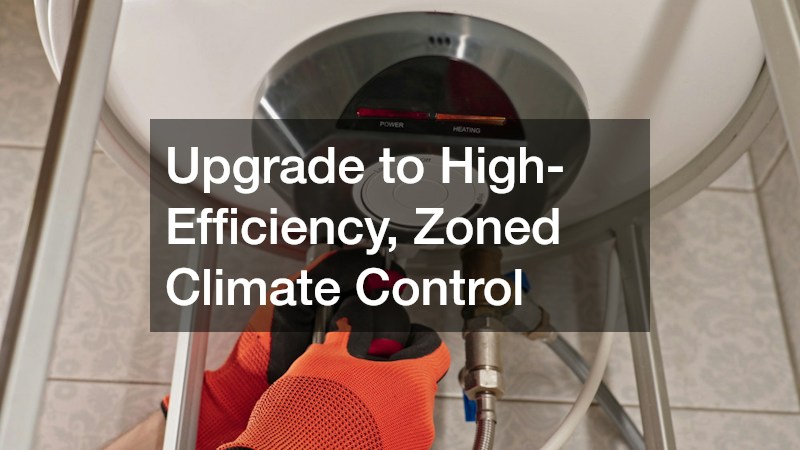
When legacy heating and cooling equipment reaches the end of its useful lifespan, replacing it with modern, high-efficiency technology provides the ultimate upgrade in draft elimination. Traditional centralized single-zone systems often struggle with multi-story historic floor plans, leaving top floors too warm while lower levels remain uncomfortably cold. Ductless mini-split heat pumps and multi-zone heat pump systems allow you to control temperatures independently in distinct zones, matching heat delivery directly to actual room usage. Planning a comprehensive HVAC installation gives you the opportunity to right-size your heating and cooling equipment based on your home’s newly improved insulation profile.
For homeowners seeking maximum efficiency and sustainability, ground-source heat pump technology represents the absolute pinnacle of residential climate control. These systems utilize the stable temperatures beneath the earth’s surface to heat and cool homes efficiently regardless of extreme outdoor weather conditions. Because ground-source heat pumps provide a constant stream of low-stage warmth without sharp temperature spikes, they eliminate the dramatic hot-and-cold cycles typical of older combustion furnaces. Investing in geothermal installations provides whisper-quiet operation, eliminates on-site fossil fuel combustion, and delivers uniform thermal comfort across every historic room.
Consider these key factors when planning a major climate control replacement:
- Accurate Heating Load Calculations: Always insist on a precise load calculation after completing insulation upgrades to avoid purchasing oversized heating equipment.
- Multi-Zone Temperature Control: Divide your home into separate thermal zones based on usage patterns and architectural layouts to maximize overall energy savings.
- Inverter-Driven Compressor Technology: Select systems with variable-capacity compressors that continuously adjust output to match real-time heating and cooling demands.
- Integration with Existing Architecture: Utilize floor-recessed or compact ceiling cassette indoor units to preserve historic wall spaces and architectural details.
- Long-Term Incentive Eligibility: Research federal, state, and local utility rebates available for converting legacy fuel systems to high-efficiency heat pump technology.
Maintain Lasting Thermal Comfort in Your Classic Home

Tackling stubborn drafts in a historic or classic home does not require choosing between architectural authenticity and modern thermal comfort. By treating your house as an interconnected system, you can eliminate cold spots permanently while protecting the original design elements that give your property its distinct character. The key lies in strategic sequencing: start by air-sealing the building envelope to keep warm air inside, run diagnostic testing to identify hidden pathways, and then optimize or upgrade your mechanical equipment to match your home’s improved thermal performance.
Investing in structural weatherization alongside modern heating and cooling technology transforms drafty spaces into cozy, inviting living areas regardless of winter conditions. Beyond immediate physical comfort, these improvements significantly lower monthly utility bills, reduce wear on mechanical components, and increase your home’s long-term resale value. Whether your next step is scheduling an infrared energy audit, sealing your basement rim joists, or exploring modern heat pump options, taking action today ensures your home remains a warm, comfortable sanctuary for decades to come.