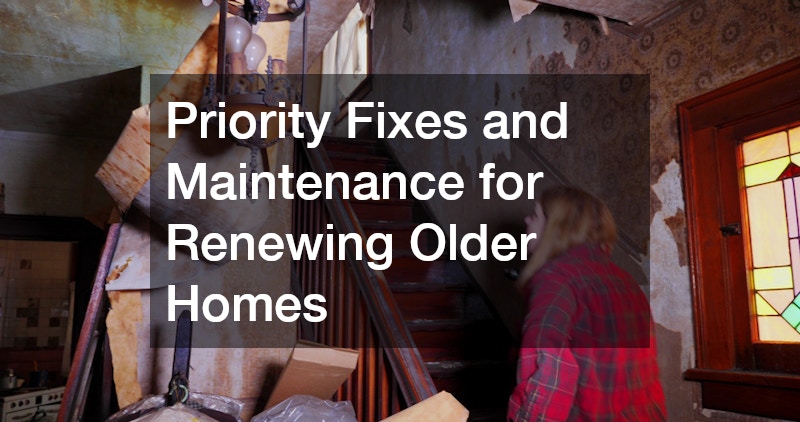
Owning an older home is a deeply rewarding experience, offering architectural character, mature landscaping, and a tangible connection to the past that modern construction rarely replicates. However, the unique charm of historic craftsmanship comes with a distinct set of responsibilities. Aging infrastructure, settled foundations, and outdated building materials require a deliberate, proactive approach to maintenance. Without a clear plan, a homeowner can easily become overwhelmed by an ever-growing list of projects, leading to budget exhaustion and accidental neglect of critical structural elements.
To successfully renew an older home without losing your sanity or your savings, you must adopt a triage mindset. This means separating projects into urgent structural protections, mechanical upgrades, and cosmetic enhancements. By prioritizing fixes that preserve the integrity of the building envelope first, you prevent minor issues from cascading into catastrophic failures. This comprehensive guide provides an in-depth, actionable blueprint to help you systematically evaluate, protect, and modernize your classic home, ensuring it remains safe, efficient, and beautiful for decades to come.
Fortifying the Envelope: Roof and Tree Management
The primary defense mechanism of any building is its exterior envelope. For an older home, shielding the interior from water intrusion and external impact is the single most important factor in preserving its structural longevity.
Assessing and Extending the Life of Aging Shingles
Water is the ultimate enemy of historic homes. Years of exposure can compromise roofing materials, leading to rot in the underlying timber rafters and plaster ceilings below. A monthly visual inspection from the ground using binoculars can reveal early warning signs of degradation before a major leak occurs.
- Look for curling, buckling, or missing shingles, particularly after heavy storms.
- Inspect the valleys of the roof where water concentrates; these areas are highly susceptible to wear.
- Check the flashing around chimneys, dormers, and valleys. Older flashing was often sealed with tar that cracks over time, rather than modern, durable silicone sealants.
If you notice granular loss in your gutters or minor localized leaks, you do not necessarily need a complete replacement right away. Addressing isolated weak spots with targeted roof repairs can extend the lifespan of your current system by several years. When replacing damaged sections, ensure the underlayment is replaced with a modern ice and water shield to provide superior protection against future ice damming, which is a common problem in poorly insulated older roofs.
Managing the Canopy to Protect Your Foundation and Lines
The mature trees surrounding an older home contribute significantly to its curb appeal and provide welcome shade, but they also pose a hidden threat to the structure both above and below ground.
- Overhanging branches act as bridges for pests and can scrape against roofing materials, accelerating the loss of protective granules.
- Falling debris clogs gutters, causing water to back up under the fascia boards and rot the rafter tails.
- Large, invasive root systems can exert immense pressure on old stone or brick foundations, leading to bowing walls and water infiltration in the basement.
To mitigate these risks without sacrificing your property’s natural beauty, establish a routine pruning schedule. For large, mature trees or branches hanging directly over power lines and roof peaks, it is best to enlist professional tree services to safely manage the canopy. Professionals can perform directional pruning to encourage the tree to grow away from the house, remove dead or diseased limbs that could fall during high winds, and apply growth regulators to slow root expansion near your foundation and sewer lines.
Securing the Entry Points: Structural Openings

Once the roof and surrounding environment are secure, the next priority is addressing the large openings in the home’s exterior shell. Windows and doors in older homes are notorious for air leakage and operational failures.
Eliminating Drafts and Preserving Historical Integrity
Original wood windows are among the most beautiful features of a historic home, often crafted from old-growth timber that is far more rot-resistant than modern wood. However, decades of shifting and paint buildup can leave them drafty, rattled, or painted shut entirely.
- Check the sash cords and weights: Many historic windows operate on a pulley system hidden inside the window frame. Replacing broken cotton cords with bronze chains can restore smooth operation.
- Add weatherstripping: Spring bronze or silicone bulb weatherstripping can be installed in the tracks and meeting rails to seal gaps without interfering with the window’s movement.
- Utilize storm windows: Installing high-quality exterior or interior storm windows provides a secondary barrier that rivals the thermal performance of modern double-pane glass, while preserving the original windows.
If the original frames are completely rotted beyond repair, look for custom wooden windows that match the historic profile of your neighborhood, ensuring you maintain the architectural rhythm of the facade while gaining the benefits of modern glass technology.
Upgrading Heavy, Outdated Overhead Entryways
Garages attached to or built alongside older homes often feature heavy, uninsulated doors with outdated hardware. These structures are frequently prone to settling, which can cause the openings to become unaligned, putting immense strain on opening mechanisms.
- Inspect the tracks and rollers for alignment issues, rust, or excessive wear that causes the door to bind.
- Test the balance of the door by disconnecting the automatic opener and lifting it halfway by hand; it should stay in place rather than crashing down or flying open.
- Verify that modern safety sensors are installed and functioning correctly to prevent accidents.
Because garage doors are under high tension from torsion springs, attempting to fix a misaligned track or a broken spring yourself can be incredibly hazardous. Hiring a qualified garage door repair company is the safest way to ensure the system is properly counterbalanced. A professional can also retro-fit older openings with insulated doors that mimic historic carriage-house styles, significantly boosting your home’s security and thermal efficiency.
Conditioning the Core: Climate and Insulation
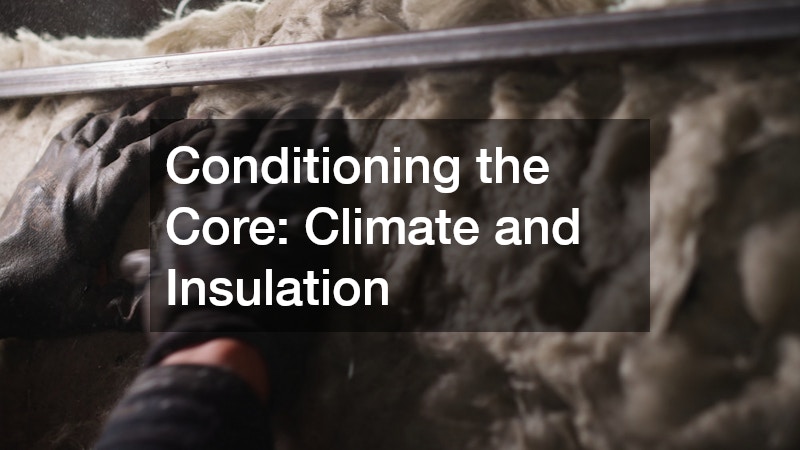
Older homes were designed to breathe, relying on plaster walls, high ceilings, and passive ventilation to manage indoor temperatures. Introducing modern climate control requires a delicate balance to avoid trapping moisture while ensuring consistent comfort.
Optimizing Vintage Heating and Cooling Systems
Many historic properties rely on outdated boilers, radiators, or early forced-air systems that struggle to distribute air evenly across multiple floors, resulting in drafty ground floors and stifling upper levels.
- Clean and seal your ductwork: In older forced-air systems, ducts running through unconditioned basements or attics often have leaky joints, dropping system efficiency by up to thirty percent.
- Bleed cast-iron radiators: If your home uses steam or hot water heating, bleeding the air out of the radiators at the start of winter ensures hot water fills the entire unit.
- Consider ductless mini-splits: For homes without existing ductwork, multi-zone mini-split systems offer an excellent way to introduce modern air conditioning without tearing into historic plaster walls.
Maintaining these complex configurations requires specialized knowledge. Regular maintenance from a company providing comprehensive HVAC services is essential for keeping these older networks running safely. Technicians can balance the airflow across your home, clean internal components, and ensure that older venting systems are effectively exhausting carbon monoxide from the living spaces.
Troubleshooting Sudden Heating Failures Before Winter
When temperatures drop, an aging heating system is put under maximum stress, which is precisely when component failures tend to occur. Knowing how to identify early warnings can prevent an emergency freezing situation.
- Listen for unusual noises: Clanking, banging, or whistling from your heating unit often points to a failing blower motor, a cracked heat exchanger, or air pockets in the lines.
- Monitor the pilot light or igniter: A yellow flame instead of a crisp blue one indicates inefficient combustion and the potential presence of dangerous gases.
- Check the filter monthly: A clogged filter restricts airflow, forcing the system to work harder and frequently causing it to overheat and shut down prematurely.
If your heating system experiences intermittent operation or fails to start on a freezing night, you need prompt, reliable furnace repair to diagnose the root cause. Technicians can replace faulty thermocouples, clean dirty burners, and check safety switches to restore reliable heat before your pipes are exposed to freezing risks.
Creating an Unbroken Thermal Barrier
Adding insulation to an older home is not as simple as blowing material into the walls. Because old homes lack modern vapor barriers, installing the wrong type of insulation can trap moisture against wooden framing, leading to hidden rot and mold development.
- Prioritize the attic floor: The highest return on investment comes from sealing gaps and adding insulation to the attic floor, as this stops the stack effect from drawing cold air into the lower levels.
- Address knob-and-tube wiring: Never cover active knob-and-tube electrical wiring with insulation, as these vintage wires require open air to dissipate heat safely.
- Focus on the rim joists: Sealing the perimeter where the house frame meets the stone foundation with spray foam blocks major draft entry points.
When upgrading your home’s thermal performance, utilizing high-quality residential insulation that allows for breathability, such as rockwool or cellulose, is key. These materials offer excellent thermal resistance while managing moisture transmission much better than traditional fiberglass batts in older, unvented wall cavities.
Safeguarding Interior Health: Water and Wildlife

An older home provides plenty of small nooks, crannies, and material vulnerabilities that can be exploited by outside elements, whether those elements are biological pests or chemical contaminants in the water supply.
Eradicating Invaders from Attics and Crawlspaces
Over decades, small gaps can form where the roof meets the fascia, or where mortar has deteriorated in a stone foundation. These small openings are an open invitation for mice, squirrels, raccoons, and bats seeking shelter.
- Inspect the perimeter of your roofline for chew marks, loose boards, or discolored entry holes.
- Look for signs of activity in the attic, such as torn insulation, droppings, or nocturnal scratching sounds.
- Seal low-level gaps around foundation vents and crawlspace access doors with heavy-duty steel mesh.
If a pest population establishes itself inside your walls or attic, standard retail traps are rarely enough to solve the root problem. Professional wildlife removal services are necessary to safely exclude the animals, locate and seal every potential entry point, and properly sanitize the affected spaces to remove hazardous bio-wastes and pheromones that could attract future pests.
Managing Hard Water and Aging Pipe Byproducts
The plumbing systems in older homes often feature a mix of galvanized iron, copper, and sometimes legacy lead pipes. Over time, these materials corrode internally, reducing water pressure and leaching undesirable elements into your drinking water.
- Test for contaminants: Order a comprehensive water quality test to check for lead, copper, and high levels of calcium or magnesium.
- Identify pipe materials: Use a magnet to check your plumbing; if it sticks to the pipes, you have galvanized iron, which is highly prone to internal rusting and clogging.
- Protect your fixtures: High mineral content, or hard water, leaves scaly deposits that quickly ruin modern tankless water heaters, dishwashers, and washing machines.
To protect both your health and your new appliances, investing in dedicated water filtration services is an excellent upgrade. Professionals can install whole-house water softeners to eliminate heavy minerals, or multi-stage carbon and reverse osmosis systems at the kitchen tap to guarantee that your drinking water is completely free of ancient pipe residues.
Modernizing Surfaces: High-Traffic Flooring

Once the underlying structural, mechanical, and safety concerns are addressed, you can confidently turn your attention to the interior surfaces that endure the most daily wear and tear.
Revitalizing High-Wear Floors Without Breaking the Bank
Original hardwood floors are a treasure, but in high-moisture or high-traffic areas like kitchens, mudrooms, and bathrooms, they may be warped, water-stained, or worn down beyond the point of sanding. Replacing them with matching historic wood can be prohibitively expensive and impractical for wet environments.
- Evaluate the subfloor: Older homes often have plank subfloors rather than modern plywood. These planks can cup or shift, creating an uneven surface that must be stabilized and smoothed before laying down a new floor.
- Secure loose boards: Walk the room to identify squeaks and drive screws through the subfloor directly into the joists below to eliminate movement.
- Choose moisture-resistant options: Modern luxury vinyl planks and tiles offer an incredibly durable, waterproof solution that can convincingly mimic wood or stone patterns, making them ideal for high-risk zones.
When updating these spaces, sourcing your materials from a specialist that offers a wide array of vinyl flooring supplies ensures you find options with thick wear layers and appropriate acoustic underlayments. The right underlayment is particularly important in an older home, as it helps level minor subfloor imperfections and dampens the hollow, echoing sounds often associated with older architectural framing.
Renewing an older home is a continuous journey of stewardship. By shifting your perspective from quick cosmetic fixes to a structured, high-priority maintenance strategy, you protect the irreplaceable craftsmanship of the past while infusing the structure with modern safety and efficiency. Tackling the exterior envelope, modernizing the climate controls, securing your utility systems, and refreshing high-traffic surfaces step-by-step prevents the process from becoming overwhelming. With patience, realistic budgeting, and a commitment to preserving structural health, your historic home will stand proud as a comfortable, safe, and beautiful sanctuary for generations to come.