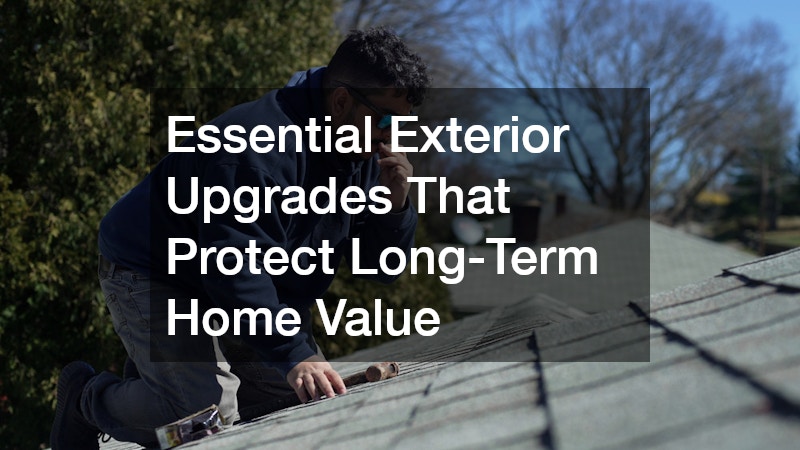
A home’s exterior does far more than create curb appeal. It serves as the first layer of protection against weather, moisture, temperature changes, and structural wear. When exterior systems are properly maintained and upgraded over time, they help preserve the integrity of the home and protect its long-term market value. On the other hand, neglected exterior issues can lead to expensive repairs, reduced efficiency, and lower resale appeal.
Strategic exterior improvements can help homeowners avoid major structural problems while increasing durability and comfort. From roofing upgrades to drainage improvements and preventative maintenance, investing in the outside of a home is one of the most effective ways to protect its future value.
Start With a Complete Exterior Evaluation

Before beginning any major exterior improvements, homeowners should evaluate the current condition of the property. A comprehensive assessment helps identify hidden problems early and ensures repairs are prioritized correctly.
Important areas to examine include:
- Roofing materials and flashing
- Gutters and drainage systems
- Siding and exterior trim
- Foundation walls and grading
- Windows and doors
Scheduling a professional roof inspection can reveal issues such as moisture intrusion, damaged shingles, weakened flashing, or ventilation problems that may not be visible from the ground.
At the same time, a foundation contractor can assess structural concerns, including:
- Cracks in foundation walls
- Uneven settling
- Water intrusion near the base of the home
- Drainage-related erosion
These evaluations help homeowners create a clear improvement plan instead of reacting to emergencies later. Identifying problems early is often far less expensive than addressing advanced structural damage.
Address Small Roofing Problems Before They Escalate
Minor roofing issues may seem harmless at first, but even small problems can quickly worsen when exposed to rain, wind, and changing temperatures. A few damaged shingles or a small leak can eventually lead to interior water damage, mold growth, and structural deterioration.
Common warning signs include:
- Missing or curling shingles
- Water stains on ceilings
- Sagging roof sections
- Granule buildup in gutters
- Mold or mildew in attic spaces
A qualified roofer can identify the source of these issues and recommend appropriate solutions before more extensive damage develops.
Prompt roof repair is one of the most cost-effective ways to protect long-term home value. Delaying repairs often increases the scope of damage, resulting in higher labor and material costs later.
Homeowners who address issues early benefit from:
- Longer roof lifespan
- Reduced risk of leaks
- Better energy efficiency
- Improved curb appeal
Preventative action helps maintain both structural integrity and resale value.
Replace Aging Roofing Materials Before Major Failure Occurs
Every roof eventually reaches the end of its functional lifespan. Waiting too long to replace aging materials can expose the home to severe weather damage and costly interior repairs.
Signs that a roof replacement may be necessary include:
- Frequent leaks or repairs
- Widespread shingle deterioration
- Sagging roof decking
- Persistent moisture issues
- Roof age exceeding expected lifespan
An experienced roofing company can evaluate whether repairs are still practical or if replacement is the more cost-effective long-term solution.
Modern roofing materials offer several advantages over older systems:
- Improved durability
- Better wind and moisture resistance
- Enhanced energy efficiency
- Longer manufacturer warranties
Planning for a roof replacement before catastrophic failure occurs allows homeowners to budget properly and avoid emergency situations that often increase costs.
A well-maintained, updated roof is also a strong selling point for future buyers, improving confidence in the property’s overall condition.
Improve Drainage to Protect Structural Stability
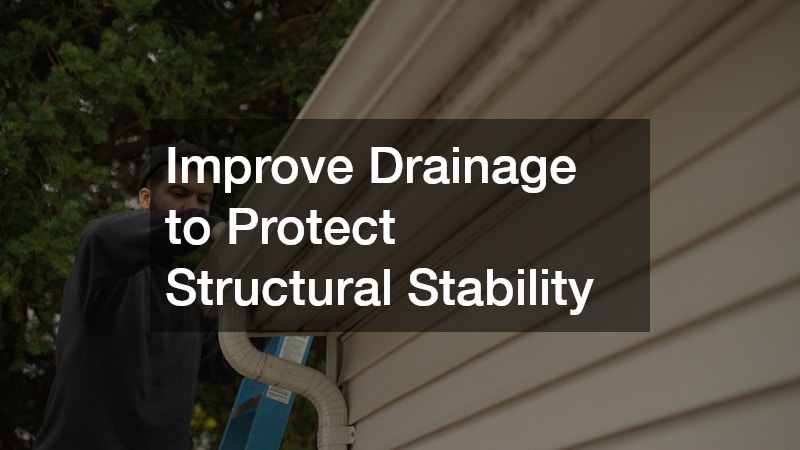
Poor drainage is one of the leading causes of structural damage in residential properties. Water that collects around the home’s perimeter can slowly weaken the foundation, causing cracks, settling, and moisture intrusion.
Common drainage problems include:
- Improper grading around the home
- Short or clogged downspouts
- Standing water after rainfall
- Soil erosion near the foundation
When moisture problems are ignored, foundation repairs may eventually become necessary to restore structural stability.
A foundation contractor can evaluate drainage conditions and recommend corrective measures such as:
- Regrading landscaping
- Installing French drains
- Extending downspouts
- Improving surface drainage systems
Addressing these problems early helps prevent:
- Basement leaks
- Foundation shifting
- Cracked walls and floors
- Mold growth
Protecting the foundation is essential for preserving the long-term safety and value of the home.
Upgrade Roofing Systems for Better Long-Term Performance
Modern roofing systems are designed to provide better durability, efficiency, and weather resistance than older materials. Upgrading to newer technologies can significantly improve long-term performance while reducing maintenance needs.
Benefits of modern roof installations include:
- Improved ventilation systems
- Enhanced moisture resistance
- Better wind protection
- Increased energy efficiency
- Longer material lifespan
Local roofing contractors understand the regional climate challenges that affect homes in the area. Whether dealing with heavy rainfall, snow, heat, or high winds, they can recommend materials and installation methods suited to local conditions.
When comparing roofing materials, homeowners should consider:
- Expected lifespan
- Maintenance requirements
- Energy performance
- Manufacturer warranties
Investing in quality materials and professional installation helps reduce future repair costs while protecting property value over time.
Protect Your Home From Moisture Intrusion
Moisture intrusion is one of the most damaging issues a home can face because it often spreads unnoticed behind walls and ceilings before visible signs appear.
Regular roof inspection services help identify vulnerabilities such as:
- Damaged flashing
- Cracked sealants
- Loose shingles
- Blocked ventilation systems
Without prompt attention, these small weaknesses can allow water to enter the home and damage insulation, framing, and drywall.
Timely roofing repair prevents:
- Mold and mildew growth
- Wood rot
- Ceiling damage
- Compromised insulation efficiency
Homeowners should also inspect attic spaces periodically for:
- Condensation buildup
- Water stains
- Musty odors
Routine maintenance and early detection are critical for keeping moisture-related damage under control.
Strengthen Curb Appeal While Preserving Structural Integrity
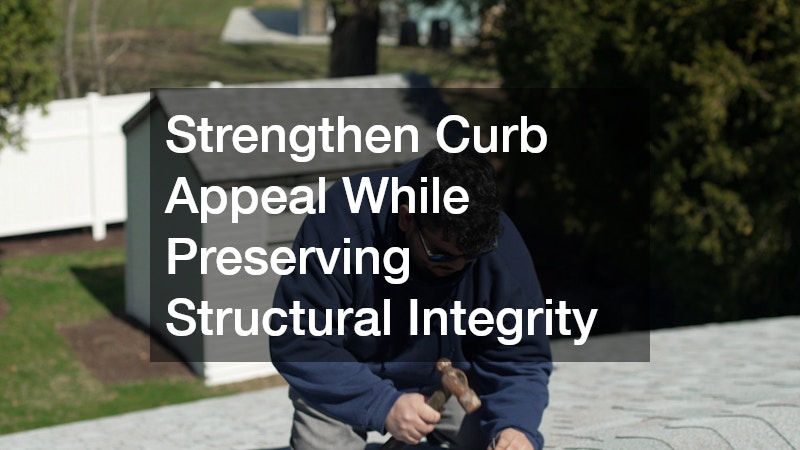
Curb appeal plays a major role in maintaining property value, but exterior appearance should never come at the expense of structural durability. The best upgrades improve both aesthetics and long-term protection.
Exterior improvements that provide both benefits include:
- Updated roofing materials
- New siding or trim
- Fresh exterior paint
- Modern gutters and drainage systems
- Improved landscaping
A reputable roofing company can recommend materials and colors that complement the overall appearance of the home while also improving weather resistance.
In many cases, roof repair projects create opportunities to upgrade exterior features for a more cohesive appearance. For example:
- Replacing damaged flashing with updated materials
- Improving roof ventilation systems
- Matching gutter colors to roofing upgrades
Combining visual improvements with structural upgrades enhances both resale appeal and long-term durability.
Reinforce Vulnerable Areas Before Severe Weather Arrives
Severe weather can expose weaknesses in exterior systems very quickly. Preparing ahead of storm season helps reduce the risk of expensive damage and emergency repairs.
Common vulnerable areas include:
- Loose shingles
- Damaged flashing
- Clogged gutters
- Weak roof decking
- Tree limbs hanging over the roof
Local roofing contractors are familiar with the weather conditions common to the region and can recommend preventative measures tailored to those risks.
A professional roofer may suggest:
- Securing loose roofing materials
- Reinforcing flashing and seals
- Improving attic ventilation
- Removing debris buildup
Seasonal inspections are especially important after:
- Hailstorms
- Heavy wind events
- Extended rainfall
- Snow or ice accumulation
Proactive preparation reduces the likelihood of severe structural damage and costly repairs later.
Invest in Preventive Maintenance to Extend Exterior Lifespan
Preventive maintenance is one of the most effective ways to reduce long-term homeownership costs. Small, consistent maintenance efforts help extend the lifespan of exterior systems while preventing major structural failures.
Important maintenance tasks include:
- Cleaning gutters regularly
- Inspecting roofing materials after storms
- Sealing cracks and gaps
- Monitoring drainage performance
- Checking for signs of settling or moisture intrusion
Preventative care can delay the need for a full roof replacement by addressing small issues before they compromise larger sections of the roof.
Likewise, early drainage corrections and moisture management help homeowners avoid costly foundation repairs caused by long-term water exposure.
Creating a yearly maintenance schedule helps ensure these tasks are completed consistently and reduces the likelihood of expensive surprises.
Choose Qualified Professionals for Exterior Improvement Projects

The quality of workmanship has a direct impact on the durability and value of exterior improvements. Hiring unqualified contractors may lead to improper installation, safety issues, and expensive repairs later.
Before hiring professionals, homeowners should:
- Verify licensing and insurance
- Request references and project examples
- Review warranty information
- Confirm written estimates and timelines
A reliable roofing company should provide detailed explanations of materials, installation methods, and warranty coverage.
Similarly, an experienced foundation contractor can identify underlying structural concerns that less experienced providers may overlook.
Working with reputable professionals provides several advantages:
- Higher-quality workmanship
- Better long-term performance
- Improved warranty protection
- Reduced the likelihood of future repairs
Choosing experienced contractors helps protect the investment made in exterior upgrades.
Improve Energy Efficiency Through Exterior Upgrades
Exterior improvements can significantly impact energy efficiency by reducing heat transfer, air leakage, and moisture intrusion.
Modern roof installations often include:
- Reflective roofing materials
- Improved attic ventilation
- Better insulation systems
- Advanced moisture barriers
These upgrades help reduce heating and cooling demands throughout the year.
Even smaller improvements through roof repair can improve efficiency by sealing leaks and preventing conditioned air from escaping.
Additional energy-saving exterior upgrades include:
- Energy-efficient windows
- Improved siding insulation
- Sealed exterior penetrations
- Updated ventilation systems
Lower energy consumption not only reduces monthly utility bills but also increases the overall appeal and marketability of the home. Buyers are increasingly looking for energy-efficient features, as they contribute to long-term savings and comfort. Homes with better insulation, energy-efficient appliances, and sustainable practices tend to attract more interest, often leading to higher property values. Additionally, reducing energy consumption is beneficial for the environment, making these homes not only a smart investment but also a responsible choice for potential homeowners. Emphasizing energy efficiency in your home’s selling points can significantly enhance its attractiveness in today’s competitive market.
Avoid Common Mistakes That Lower Property Value
Many homeowners unintentionally reduce property value by delaying maintenance or making short-term decisions that create larger problems later. While postponing repairs or choosing lower-cost solutions may seem financially beneficial at first, these decisions often lead to more extensive damage and higher expenses over time.
Common mistakes include:
- Ignoring early signs of water damage: Small leaks, discoloration on ceilings, peeling paint, or damp areas around windows and walls are often dismissed as minor issues. However, moisture can spread behind surfaces and weaken structural materials long before major damage becomes visible. Addressing these warning signs quickly helps prevent mold growth, wood rot, and interior deterioration.
- Choosing low-quality materials to save money: Inexpensive materials may reduce upfront costs, but they often wear out faster and require more frequent repairs or replacement. Lower-grade roofing, siding, or drainage materials may not withstand severe weather conditions effectively, increasing long-term maintenance expenses.
- Skipping routine inspections: Regular exterior inspections help identify developing problems before they become severe. Without periodic evaluations, homeowners may miss hidden issues such as deteriorating flashing, drainage problems, or small foundation cracks that gradually worsen over time.
- Hiring inexperienced contractors: Poor workmanship can compromise the performance and lifespan of exterior systems. Improper installation methods, inadequate sealing, or substandard repairs often lead to recurring issues that require additional corrections later. Thoroughly researching contractors and verifying credentials helps reduce these risks.
- Delaying necessary structural repairs: Structural problems rarely improve on their own. Cracks, settling, or moisture-related damage can continue spreading when left untreated, potentially affecting the stability of the home and lowering resale appeal.
Local roofing contractors can help homeowners identify potential issues before they become major concerns, reducing the likelihood of expensive emergency repairs. Their familiarity with regional weather conditions and common roofing challenges allows them to recommend preventative solutions that improve durability and long-term performance.
Similarly, postponing drainage corrections or moisture control problems can eventually lead to severe foundation repairs that affect both safety and resale value. Water pooling near the foundation, shifting soil, and prolonged moisture exposure can gradually compromise structural stability if not addressed promptly.
Protecting long-term home value requires proactive planning, quality workmanship, and consistent maintenance over time. Homeowners who stay ahead of repairs and invest in durable improvements are more likely to preserve both the appearance and structural integrity of their property for years to come.
Conclusion
Exterior upgrades are about far more than appearance. They play a critical role in protecting structural integrity, improving efficiency, and preserving long-term property value. By investing in preventative maintenance, addressing issues early, and choosing durable materials and qualified professionals, homeowners can avoid costly repairs while extending the life of their homes.
A proactive approach to exterior improvements not only creates a safer and more attractive property but also helps ensure lasting value for years to come.