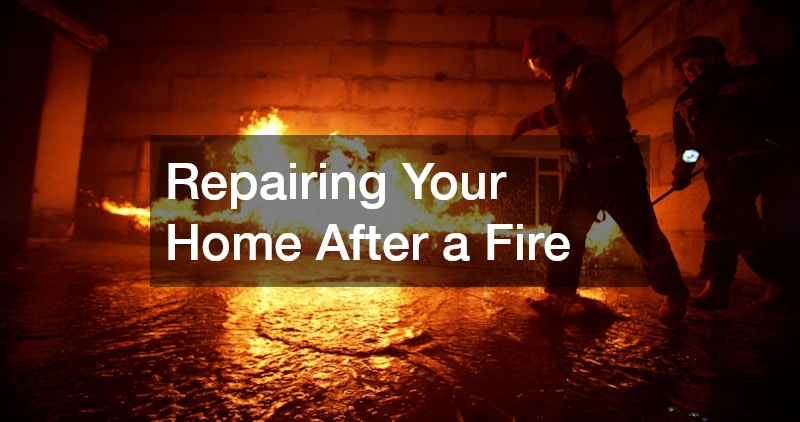
Surrounding a domestic residential fire, the initial emotional shock and survival instinct quickly give way to a massive, deeply complex logistical and engineering challenge. Once the emergency response vehicles depart and the immediate crisis ends, a homeowner faces the reality of a severely compromised property asset. Fire events do not merely damage surface aesthetics; they introduce deep structural weaknesses, volatile chemical off-gassing, and extensive hydraulic contamination that casual cosmetic repairs cannot resolve. Attempting to rebuild or reoccupy a structure without a disciplined, multi-tiered forensic remediation plan places your family at risk of permanent property depreciation and severe, long-term health hazards.
Successfully restoring a home post-fire requires shifting completely away from reactionary cosmetic fixes and implementing a rigorous, phase-based framework. This process must integrate advanced toxic clearance with rigid structural reinforcement, mechanical hardening, and code-compliant architectural modernization. Every choice made during the rehabilitation lifecycle dictates the ultimate safety, air quality, and financial equity of the resurrected estate. To protect your household capital and transform a damaged structural shell back into a pristine, high-performance sanctuary, you must approach property reconstruction with an engineering mindset. This comprehensive guide delivers a detailed, phase-by-step operational blueprint to help you navigate the complex boundary between immediate emergency remediation and long-term architectural capitalization.
Immediate Hazard Mitigation and Forensic Site Stabilization
The baseline defense against progressive property depreciation following a thermal event is the immediate containment of hazardous materials and the mitigation of moisture intrusion. Once municipal fire marshals grant official physical re-entry authorization, the property must be treated as an active industrial recovery zone. The burning of modern household materials—including synthetic textiles, engineered plastics, and chemical adhesives—creates a highly corrosive, toxic soot profile that sticks to every exposed surface. If left unmanaged, this acidic layer chemically binds with humidity to etch glass, pit metals, and permanently embeds deep into porous structural timbers.
To stop this chemical degradation before it ruins the building’s underlying framework, homeowners must immediately retain a licensed, specialized fire damage restoration firm. A professional fire damage restoration crew will deploy heavy industrial air scrubbers equipped with extra-large HEPA and activated carbon filtration matrices to rapidly decompress the indoor air environment. Technicians execute advanced thermal fogging and ozone treatments to break down volatile smoke scent molecules at the molecular level. This intensive fire damage restoration protocol seals remaining timber framing nodes, isolates lingering soot fields, and completely prevents toxic synthetic odors from permanently off-gassing into the home’s future living zones.
-
Conduct a thorough structural audit, measuring charred timber depth across all primary floor joists and load-bearing studs to identify items requiring sistering or replacement.
-
Install high-durability plywood board-ups and heavy-duty structural tarps across all breached windows and open wall cavities to lock out external weather variables.
While professional fire damage restoration teams neutralize the toxic atmospheric envelope, managing the massive volume of liquid injected into the home structure during emergency response operations represents an identical priority. Fire suppression teams routinely pump thousands of gallons of high-pressure water into roof lines and wall cavities to suppress hot spots. This rapid influx of water causes hidden plumbing lines to shift, cracks fragile gray-water drainage stacks, and melts soldered copper connections buried inside wall spaces. To stabilize your utility network and prevent catastrophic foundation shifting, you must immediately coordinate with a certified master technician to execute emergency plumbing sweeps. A professional emergency plumbing crew will pressure-test primary supply manifolds, isolate ruptured lateral pipes, and cap compromised sewer lines safely, halting indoor flooding and providing a clean, dry, and secure baseline from which full structural reconstruction can confidently begin.
Structural Enclosure Rehabilitation and Weatherproofing
With the indoor atmosphere safely cleared of toxic particulates and the primary liquid utility loops fully stabilized, the remediation framework transitions into the phase of heavy structural shell reconstruction. Intense thermal exposure combined with the vertical ventilation pathways sliced into the roof by fire crews can compromise the overhead building envelope. High temperatures warp light-gauge steel connector plates, cause heavy timber roof trusses to bow, and destroy the structural integrity of plywood sub-roof decking sheets, rendering the upper enclosure highly vulnerable to collapse under high wind or winter snow loads.
To rebuild this primary structural defense line, homeowners must retain an elite team of certified roofers to execute a complete overhead restoration. Professional roofers will systematically tear away fire-degraded shingles, cut out charred rafter segments, and install advanced, self-healing ice and water shield membranes across the re-engineered framework. Working alongside experienced roofers ensures that your new roof structure incorporates balanced, high-capacity ridge-and-soffit ventilation paths. This balanced air ventilation pattern actively vents lingering thermal humidity, prevents the formation of destructive moisture traps, and guarantees your home’s upper enclosure satisfies the strictest wind-shear and weatherproofing metrics required by modern building codes.
-
Re-engineer all primary overhead rafter spans utilizing structural select-grade lumber or engineered laminated veneer lumber (LVL) beams to maximize load capacity.
-
Install heavy-duty, zinc-coated steel hurricane ties at every rafter-to-top-plate junction to anchor the new roof structure firmly against high-velocity storms.
Once the overhead building envelope is fully weatherproofed by certified roofers, you must immediately address the home’s internal thermal and acoustic insulation barriers. The intense heat of a fire completely vaporizes or melts old fiberglass and spray-foam insulation, leaving the home’s framing fields fully exposed to external temperature shifts. Before re-closing any wall space, you must install high-density, borate-treated cellulose or premium stone wool home insulation across all exposed cavities and attic floors. Specifying non-combustible home insulation materials dramatically increases the building’s overall fire-resistance rating, forms an impenetrable thermal shield that lowers monthly HVAC energy bills, and creates a pristine acoustic barrier that blocks exterior environmental noise from entering your living spaces.
Mechanical Hardening and On-Site Power Redundancy
Before stepping into the final cosmetic phases of dry-wall installation, cabinetry alignment, and interior paint application, the home’s remaining uncharred structural substrates must undergo a deep forensic decontamination process. Even inside rooms that completely escaped active flames, fine micro-soot deposits and airborne ash fields will have settled into porous concrete pores, underlying sub-floor boards, and structural masonry block channels. Attempting to simply paint over these hidden contaminant fields is a major mistake, as the trapped soot will eventually bleed through the new paint layers, ruining your cosmetic finishes and releasing volatile organic compounds into your indoor air.
To permanently neutralize these hidden pollutants, your remediation plan must shift away from basic housekeeping methods and execute a forensic, multi-pass structural house cleaning protocol. A professional house cleaning setup involves utilizing high-concentration trisodium phosphate (TSP) chemical washes, aggressive media-blasting techniques, and high-capacity HEPA-vacuum extraction loops to pull embedded ash completely out of structural wood grain and concrete matrices. Executing this deep, structural house cleaning completely purges volatile chemical variables from the property, providing an uncompromised, sterile substrate that allows your new primer coatings and defensive sealants to bond flawlessly.
-
Wash all uncharred interior framing timbers using heavy-duty encapsulation sealants to permanently lock down any remaining micro-particles of soot.
-
Wipe down all interior window tracks and metal plumbing conduits with specialized chemical sponges designed to grab oily synthetic ash.
While deep substrate washing secures your indoor air safety, protecting your home against future utility failures requires addressing the local electrical infrastructure. Residential fires frequently melt overhead power lines, destroy external meter boxes, and cause severe voltage surges that can compromise the main internal breaker panel. To insulate your home from future grid instability and guard against unexpected blackouts, you must integrate permanent home generators into your primary electrical distribution system. Sourcing high-capacity home generators equipped with automatic transfer switches ensures that if the local municipal grid goes offline, your backup power system will ignite within seconds. This independent power shield keeps your security arrays, basement sump pumps, and automated climate systems fully operational throughout any environmental emergency.
Full-Scale Architectural Reconstruction and Space Optimization

Once your structural shell is verified as stable, dry, and decontaminated, the property is ready to move into the phase of full-scale architectural reconstruction. This phase represents a major transition point, transforming the cleared framing field back into a beautifully finished, highly valuable residential asset. Managing this complex transition requires a deep understanding of municipal building permit loops, structural load calculations, and the precise project management coordination required to guide specialized electrical, plumbing, and drywall trades across the site simultaneously.
To ensure this multi-tiered reconstruction phase moves forward smoothly without costly delays, homeowners must partner with a premier, licensed home builder to manage the master construction schedule. Working alongside an experienced home builder provides your project with an expert general contractor who can verify that every framing adjustment, drywall layout, and electrical modification satisfies the strictest criteria of modern building codes. A professional home builder will oversee subcontractor workflows with absolute precision, manage material pipelines efficiently, and secure the final municipal occupancy certificates required to legally transform your project from an active construction zone back into a safe home.
-
Verify that your home builder maintains comprehensive general liability and workers’ compensation insurance policies to protect your project from liability.
-
Incorporate advanced mold-resistant drywall panels across all lower-level and bathroom zones to insulate the new walls against potential moisture.
Partnering with an elite home builder also provides a unique opportunity to capitalize on the cleared structural footprint to execute advanced space optimization updates. Rather than simply rebuilding the exact, dated floor plan configuration from before the fire, you can retain a comprehensive home remodeling service to transform your living spaces. Utilizing a high-end home remodeling service team allows you to tear down non-load-bearing partitions, design custom open-concept family spaces, and upgrade architectural aesthetics across the entire interior footprint. Your home remodeling service specialists can integrate custom cabinetry, premium quartz countertops, and smart ambient lighting arrays directly into the new build, allowing you to rapidly recapture and expand lost property equity while designing a home perfectly matched to modern lifestyle trends.
Executing Structural Layout Scale-Outs and Hardscape Restorations
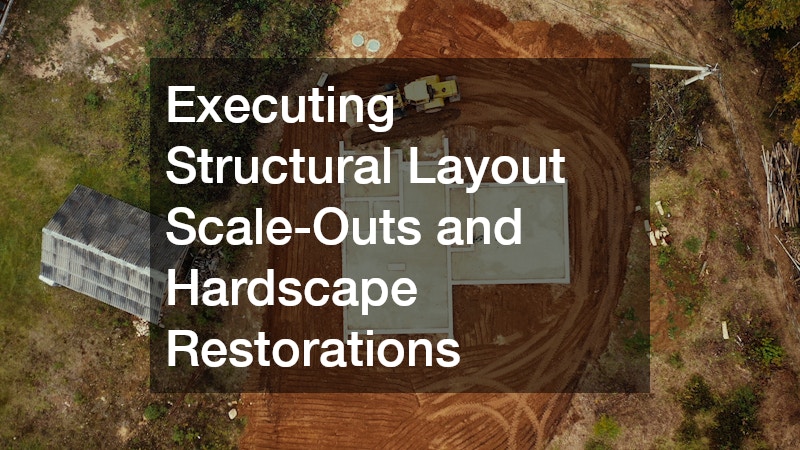
When a residential property has been stripped down to its primary framing components for post-fire rehabilitation, a unique opportunity emerges for homeowners to scale up their property footprint. Executing a home expansion during standard operations requires expensive, destructive tearing down of functional drywall, roofing, and utility lines. However, because your home’s internal structures are already fully exposed for reconstruction, implementing structural layout extensions becomes vastly more cost-effective and efficient, allowing you to permanently maximize your property’s resale value.
To seamlessly slice an expanded living space onto your existing home, you must partner with a premier team of home addition builders. Working with specialized home addition builders ensures that your structural extensions, such as a multi-generation in-law suite, an expanded master bedroom wing, or a dedicated work-from-home office pavilion, integrate perfectly with the original architectural lines. Your selected home addition builders will manage high-precision foundation tie-ins, using heavy-duty structural epoxy rebar anchors to firmly lock the new concrete slab onto the old foundation, completely preventing uneven structural settling or foundation cracking between the structures over time.
-
Require your home addition builders to verify that the existing soil compaction values can safely support the expanded footprint before pouring concrete.
-
Coordinate the tie-in of your new electrical sub-panels directly into your main distribution grid to handle the increased power demand smoothly.
While your home addition builders scale up your interior living spaces, you must apply an identical level of restoration care to the surrounding exterior hardscapes. During active fire suppression operations, multi-ton fire engines, heavy emergency response vehicles, and massive outrigger stabilization rigs exert immense weight stress across your private drive lanes. This intense mechanical pressure easily shatters standard concrete, creates deep structural ruts in thin sub-bases, and leaves severe structural cracks across old surfaces. To repair this mechanical damage and restore your property’s curb appeal, you must retain an authorized commercial team to execute high-durability asphalt paving over your degraded drive lanes. Designing the new asphalt paving with a precise, engineered cross-slope grade ensures that heavy stormwater runoff is directed completely away from your newly restored home foundation, securing your real estate asset from ground-level water intrusion for decades to come.
True long-term property prosperity is achieved only when you step completely into the authoritative role of a proactive asset director who actively commands every physical, logistical, and financial variable of the reconstruction lifecycle. By taking definitive control of your property’s maintenance timeline, from organizing immediate fire damage restoration and emergency plumbing sweeps to orchestrating certified roofers, home insulation upgrades, comprehensive home builders, and heavy asphalt paving overhauls, you completely insulate your real estate investment from failure. Build a tight-knit, highly reliable network of licensed utility technicians, certified structural engineers, and authorized commercial contractors who respect the unique technical needs of your terrain. Command your property with mechanical confidence, honor the physical feedback loops of the structure, and advance your home preservation journey with the absolute assurance that your asset will stand as a secure, thriving fortress of safety, comfort, and equity for a lifetime.